

Graduation – Helping Formerly Incarcerated Individuals Reenter Society
Graduation marks the beginning of a new chapter — one defined by stability, self-awareness, and community connection. Personal growth continues when participants begin applying what they have learned to everyday decisions, relationships, responsibilities, and setbacks. The goal is not simply to complete the 12-week program, but to leave with greater self-awareness, healthier ways to respond to challenges, and the confidence to keep moving forward after incarceration.
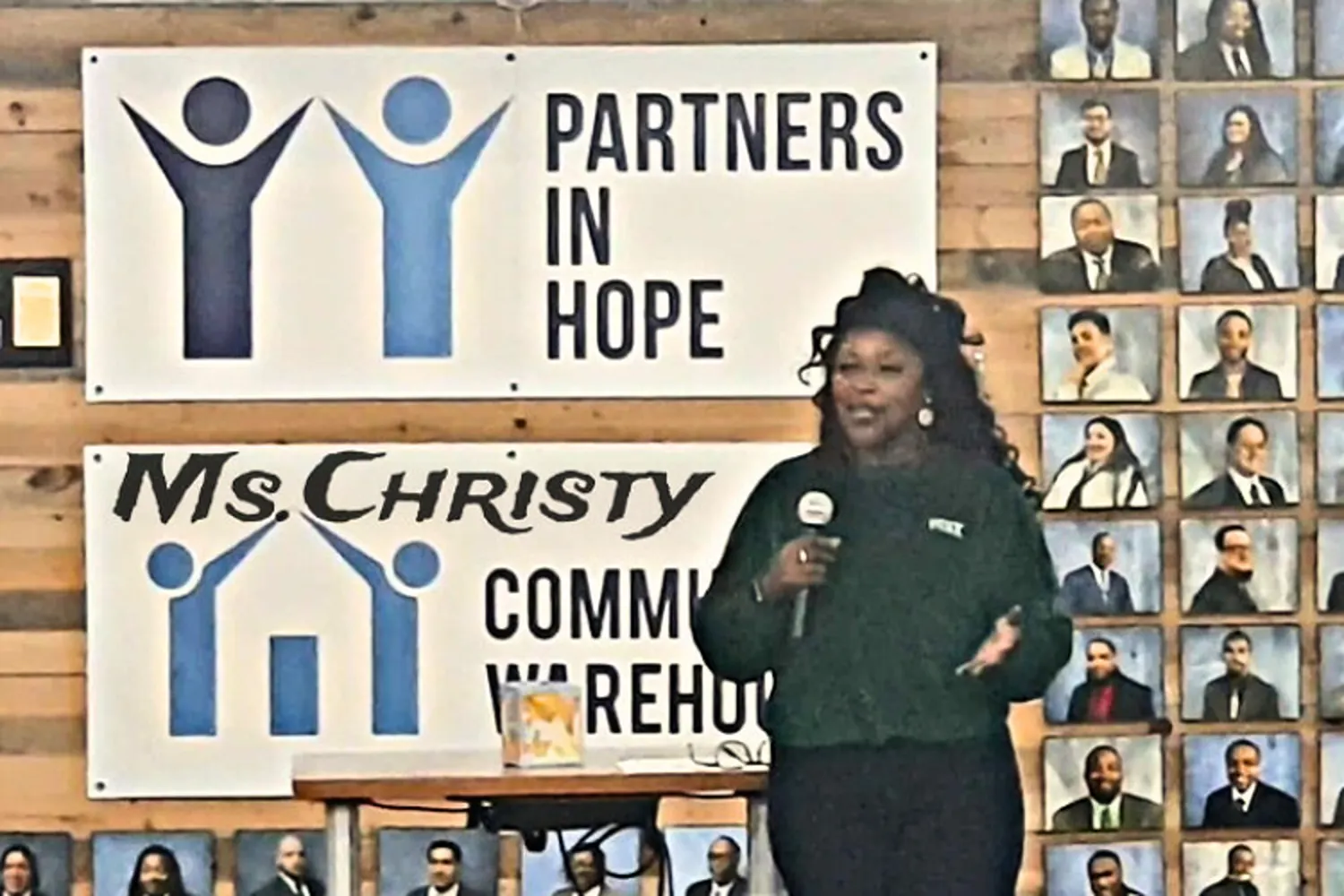
Celebrating Growth and Preparing for Life After the Program
The FROM EXPERIENCES curriculum and daily structure prepare participants for independence, responsibility, and community reintegration. Over 12 weeks, participants engage in daily routines, therapy, education, and reflection designed to rebuild the mind and spirit.
Graduation is a moment of pride and renewal — a sign that participants have developed the coping skills, self-awareness, and confidence to continue thriving beyond the Safe House.
Daily Schedule Highlights
- Morning group classes and therapy sessions
- Afternoon coping skills and personal reflection
- Evenings dedicated to shared meals and community connection
Weekend Activities
- Book club and open discussions
- Weekly review and reflection sessions
- Emphasis on rest, mindfulness, and preparation for the week ahead
12-Module Curriculum
- Childhood Trauma
- Arrested Development
- Depression
- Anxiety
- Post-Traumatic Stress
- Anger Management
- Substance Use & Addiction
- Emotional Intelligence
- Accountability
- Self-Destructive Behaviors
- Healthy Relationships
- Breaking the Cycle
Post-Graduation Focus
- Reconnection with community resources
- Ongoing therapy or counseling as needed
- Opportunities to mentor new participants
Preparing for Stable Housing After Graduation
As participants prepare to leave the Safe House, planning for stable housing is an important part of the transition back into the community. Graduation preparation encourages participants to identify appropriate housing options and community resources that can support greater stability, independence, and responsibility after the program.